Hibiscus & Garlic For Blood Pressure: What The Research Actually Shows
Hibiscus and garlic are two of the more research-backed botanical ingredients in the blood pressure supplement space, with real published trials behind both.
Neither works like a prescription drug, but both have genuine, replicated evidence for modest support.
Hibiscus: the tea that acts a bit like a mild ACE inhibitor
Hibiscus sabdariffa, the species most studied for this purpose, is rich in anthocyanins. A study published in the Journal of Nutrition in 2010 gave adults with elevated blood pressure hibiscus tea daily for six weeks and found a measurable reduction in systolic blood pressure compared to a placebo beverage.
The proposed mechanism is a mild ACE-inhibitor-like action — angiotensin-converting enzyme is the same enzyme that prescription ACE inhibitor drugs (the ones ending in ‘-pril,’ like lisinopril) block much more powerfully. Hibiscus appears to have a similar, much gentler effect on the same pathway.
Garlic: one of the better-studied botanical BP ingredients
Garlic's active compound, allicin, forms when garlic is crushed or chopped. A frequently cited meta-analysis pooling multiple randomized trials found garlic supplementation associated with meaningful reductions in blood pressure, specifically in people who started with elevated readings — the effect was less pronounced in people with normal blood pressure to begin with.
The proposed mechanism involves nitric oxide support and improved arterial flexibility, similar in spirit to how prescription vasodilators work, though at a much more modest scale.
What both have in common
Neither ingredient works instantly. The hibiscus trial ran six weeks before showing measurable results; garlic studies typically run 8 to 24 weeks. Both are studied as complements to, not replacements for, standard lifestyle measures like reduced sodium intake and regular activity.
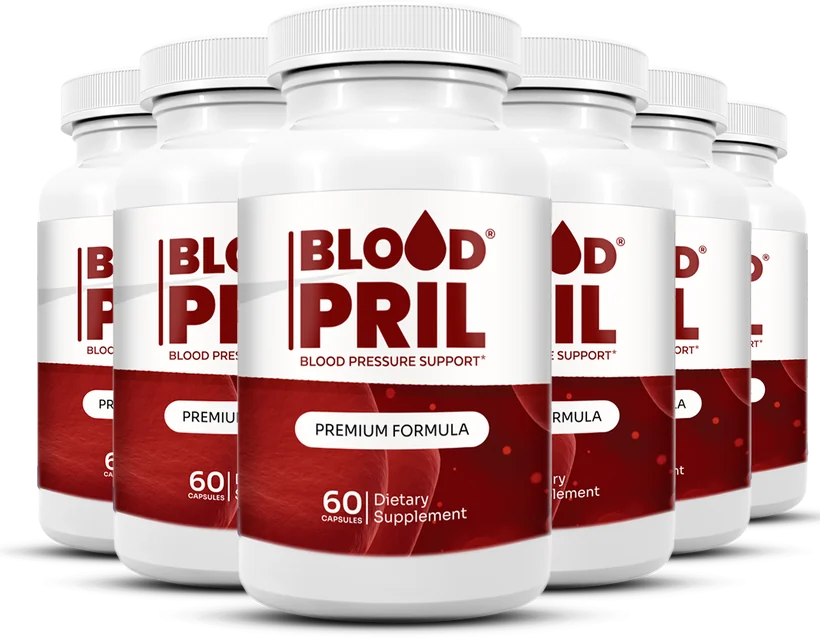
Where this fits into a formula like BloodPril
BloodPril combines hibiscus and garlic alongside four other ingredients, reflecting this same body of research. Whether the combination produces a meaningful effect for any individual depends on baseline health, consistency of use, and lifestyle factors alongside it.